

Introduction
Technology has transformed almost every part of our lives, and education is no exception. From traditional classrooms with blackboards to smart classrooms powered by digital tools, the education system has experienced significant improvements. Today, students can access learning materials online, attend virtual classes, and gain knowledge from anywhere in the world. Technology has made education more accessible, interactive, and effective for learners of all ages.
In recent years, schools, colleges, and educational institutions have increasingly adopted digital learning methods to improve teaching quality and student engagement. This shift is helping students prepare for a future driven by technology and innovation.
1. Online Learning Has Increased Accessibility
One of the biggest impacts of technology in education is accessibility. Students no longer need to rely only on physical classrooms to learn. Online learning platforms allow students to access courses, tutorials, and educational content anytime and anywhere.
Students from remote locations can now receive quality education through virtual classrooms, video lectures, and educational websites. This flexibility has made learning easier for working professionals and students with busy schedules.
Benefits of Online Learning:
- Learn from anywhere
- Flexible schedules
- Access to global educational resources
- Affordable learning opportunities
2. Smart Classrooms Improve Learning Experience
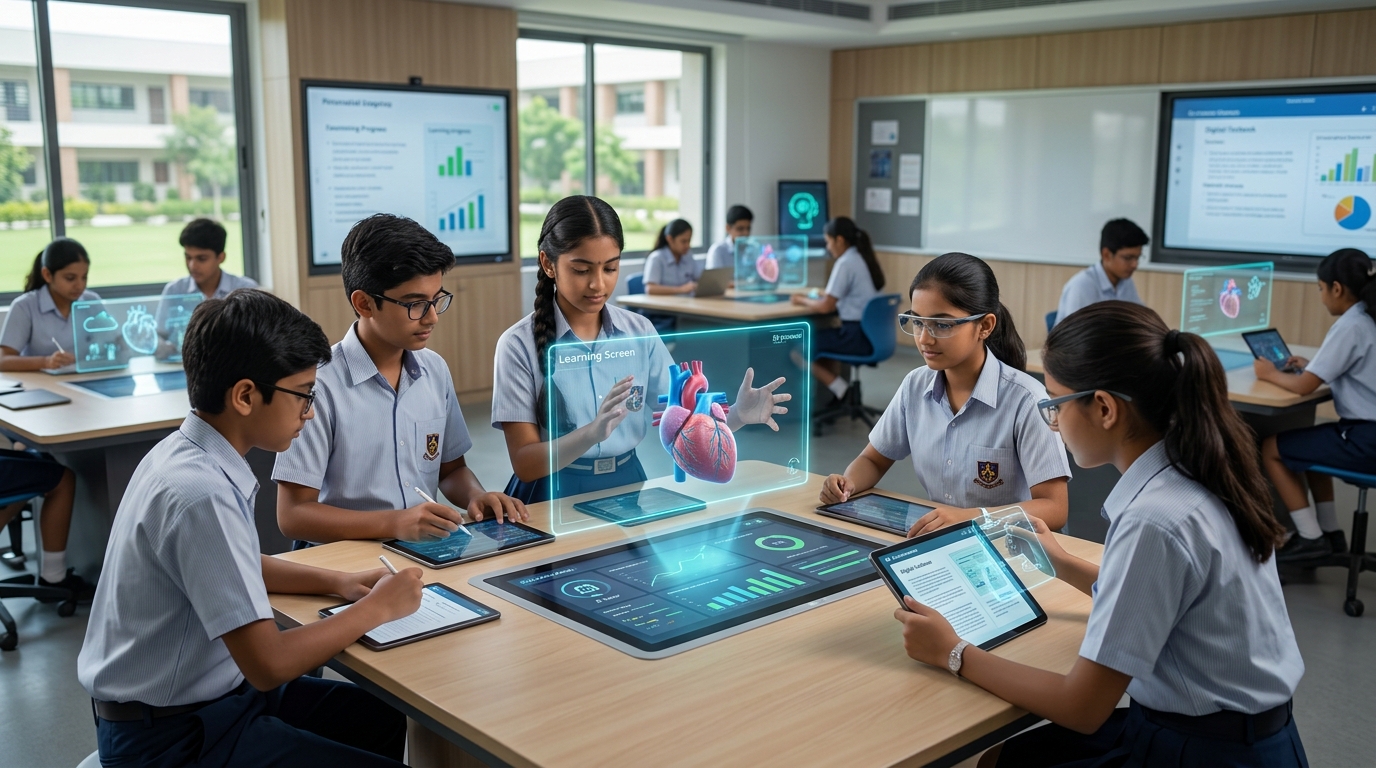
Traditional teaching methods are gradually being replaced by smart classrooms equipped with projectors, digital whiteboards, tablets, and multimedia presentations.
Teachers can now explain concepts through videos, animations, and interactive content, making lessons more interesting and easier to understand. Students tend to remember visual and practical learning better than textbook-based teaching alone.
Smart classrooms also encourage active participation and better communication between teachers and students.
3. Technology Encourages Personalized Learning
Every student learns differently. Some students learn quickly, while others may need additional support. Technology allows personalized learning experiences where students can learn at their own pace.
Educational apps and learning platforms can track student performance and suggest customized lessons based on strengths and weaknesses. This helps improve understanding and boosts confidence among learners.
Personalized learning ensures that no student is left behind in the learning process.
4. Digital Tools Make Education More Interactive
Technology has made learning more engaging through educational apps, virtual labs, quizzes, and gamification techniques.
Interactive learning methods improve student participation and help make difficult subjects easier to understand. For example, science experiments can now be demonstrated using virtual simulations, reducing the need for expensive lab equipment.
Students enjoy learning when lessons become interactive and visually appealing.
5. Better Communication Between Teachers and Students
Technology has improved communication within the education system. Teachers can now share assignments, notes, and updates instantly through online platforms.
Students can ask questions, submit homework, and participate in discussions digitally. Parents can also monitor their child’s progress through online portals.
This improved communication creates a more connected learning environment.
6. Artificial Intelligence Is Shaping Education
Artificial Intelligence (AI) is becoming an important part of modern education. AI-powered tools can help students with personalized tutoring, automated assessments, and instant feedback.
Chatbots and virtual assistants are also helping students find information quickly and improve their learning experience.
As AI technology continues to grow, education systems are expected to become more efficient and adaptive.
7. Challenges of Technology in Education
Although technology offers many benefits, it also comes with certain challenges.
Some students may face internet connectivity issues or lack access to digital devices. Excessive screen time can also affect concentration and health if not managed properly.
Educational institutions must focus on balanced technology usage and ensure equal access for all students.
Future of Technology in Education
The future of education will continue to evolve with advanced technologies such as virtual reality (VR), artificial intelligence, and smart learning platforms. These innovations will create more immersive and practical learning experiences.
Technology will not replace teachers but will support them in delivering better and more effective education.
Educational institutions that embrace digital transformation will be better prepared for the future.
Conclusion
Technology is changing education in remarkable ways by making learning more accessible, interactive, and personalized. From online classes and smart classrooms to AI-powered tools, students now have better opportunities to learn and develop valuable skills.
As technology continues to grow, the education sector will become more innovative and efficient, helping students prepare for a competitive and digital future.
Frequently Asked Questions (FAQ)
How is technology changing education?
Technology is improving education through online learning, smart classrooms, digital tools, and personalized learning experiences.
What are the benefits of technology in education?
Technology improves accessibility, engagement, communication, flexibility, and learning efficiency.
What is online education?
Online education is a method of learning where students access courses and classes through the internet.
How does AI help education?
AI helps by providing personalized learning, instant feedback, automated assessments, and virtual tutoring.
Can technology replace teachers?
No, technology supports teachers but cannot completely replace human teaching, guidance, and interaction.
Disclaimer : This blog is intended for informational and educational purposes only. Technology trends and educational methods may vary depending on institutions, regions, and technological advancements. Readers are encouraged to verify information and consult educational professionals or institutions for specific guidance.
